
A few months after losing a large amount of weight, you might be surprised to notice large amounts of hair coming out in the shower or on your pillow when you wake up each morning.
Weight loss injections have helped many people reach their weight loss goals and feel more comfortable in their bodies, but sometimes the number on the scale isn’t the only thing that changes. One unexpected side effect of significant weight loss is increased hair shedding.
Hair loss after weight loss injections can be alarming, especially when it happens suddenly or you notice large amounts of hair coming out. However, this type of shedding is almost always temporary, it’s just your body reacting to physical stress, nutritional changes, and hormonal adjustments.
In this article, we’ll explore why this hair loss happens, what’s considered normal, and how you can support healthy regrowth.
Our faces contain fat pads, which help give our skin a more youthful appearance. Significant weight loss often includes the loss of facial fat, which can cause dramatic facial changes in your cheeks, temples, under-eye area, and jawline.
The result can be a hollowed-out appearance and loose, sagging facial skin. These changes are different from the process our skin undergoes as we age, but they can accelerate visible aging.
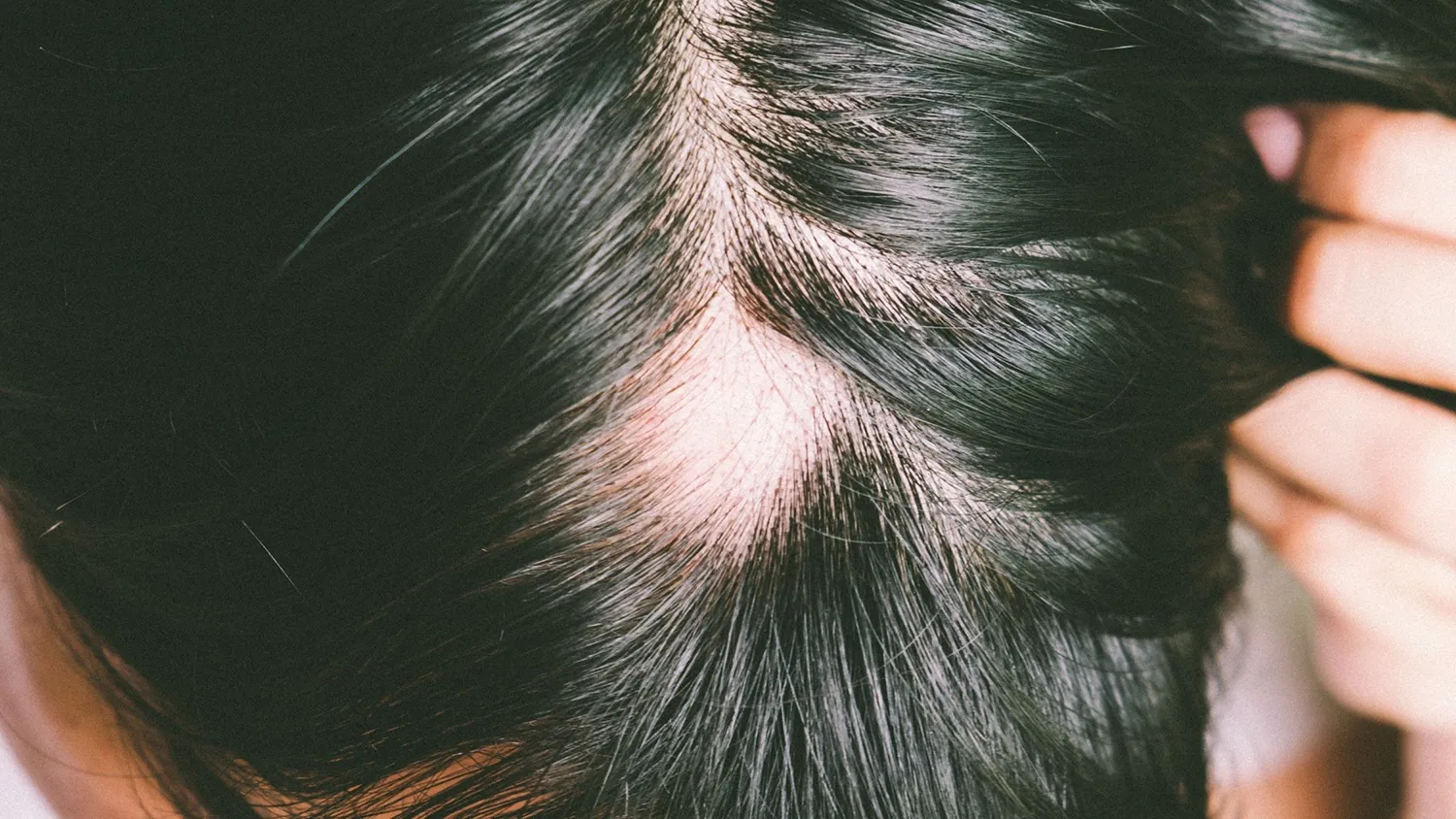
Most women who have given birth are familiar with telogen effluvium, even if they’ve never heard of the specific term before. Telogen effluvium refers to hair loss that occurs after a significant physical or emotional event, such as extreme sickness, giving birth, or, in this case, rapid or substantial weight loss.
It causes thinning across your entire scalp, which manifests as increased hair shedding that you notice when you wash or brush your hair, or when you rest your head on a pillow at night. The result can be a hollowed-out appearance and loose, sagging facial skin. These changes are different from the process our skin undergoes as we age, but they can accelerate visible aging.
Telogen effluvium happens because your hair grows in a cycle. Most hair follicles are normally in a growth phase, where they are actively growing. However, a smaller percentage are in a resting phase. When your body experiences stress, such as rapid weight loss, significant caloric restriction, illness, or hormonal changes, a larger number of hairs may shift into the resting phase at the same time.
The shift into the resting phase doesn’t immediately cause your hair to fall out. Noticeable hair loss usually starts 2 to 4 months after the triggering event, which is why it can be so surprising.
The good news is that telogen effluvium is usually reversible. Once you address the underlying stress and help your body regain balance, your hair growth can go back to its usual patterns.
In most cases, hair loss isn’t caused directly by weight loss injections. The increased hair shedding is actually linked to the physiological changes that accompany weight loss, especially when you lose weight quickly or significantly reduce your caloric intake.
When your body experiences these sudden and unexpected changes, it might temporarily redirect resources toward essential functions like your heart, brain, and organ health. Since hair growth isn’t essential for survival, it can be affected while your body adjusts.
All of that tells us that this type of hair shedding is usually a response to stress on the body, not a reaction to the medication itself. Factors like decreased protein intake, vitamin or mineral deficiencies, hormonal fluctuations, and overall metabolic stress usually make up the root cause. Once a patient’s weight stabilizes and their nutritional balance improves, hair growth gradually returns to its normal cycle.

There are several steps you can take to minimize hair loss and support hair growth when you’re losing weight.
Prioritize balanced nutrition
Adequate nutrition is essential for healthy hair growth.
Ensure you’re eating enough protein, which supports hair structure.
Monitor your intake of iron, zinc, and other nutrients that build healthy hair– take vitamins if you need.
Stay away from restrictive diets that don’t provide your body with all the necessary nutrients.
During periods of shedding, gentle hair care can reduce how much hair comes out.
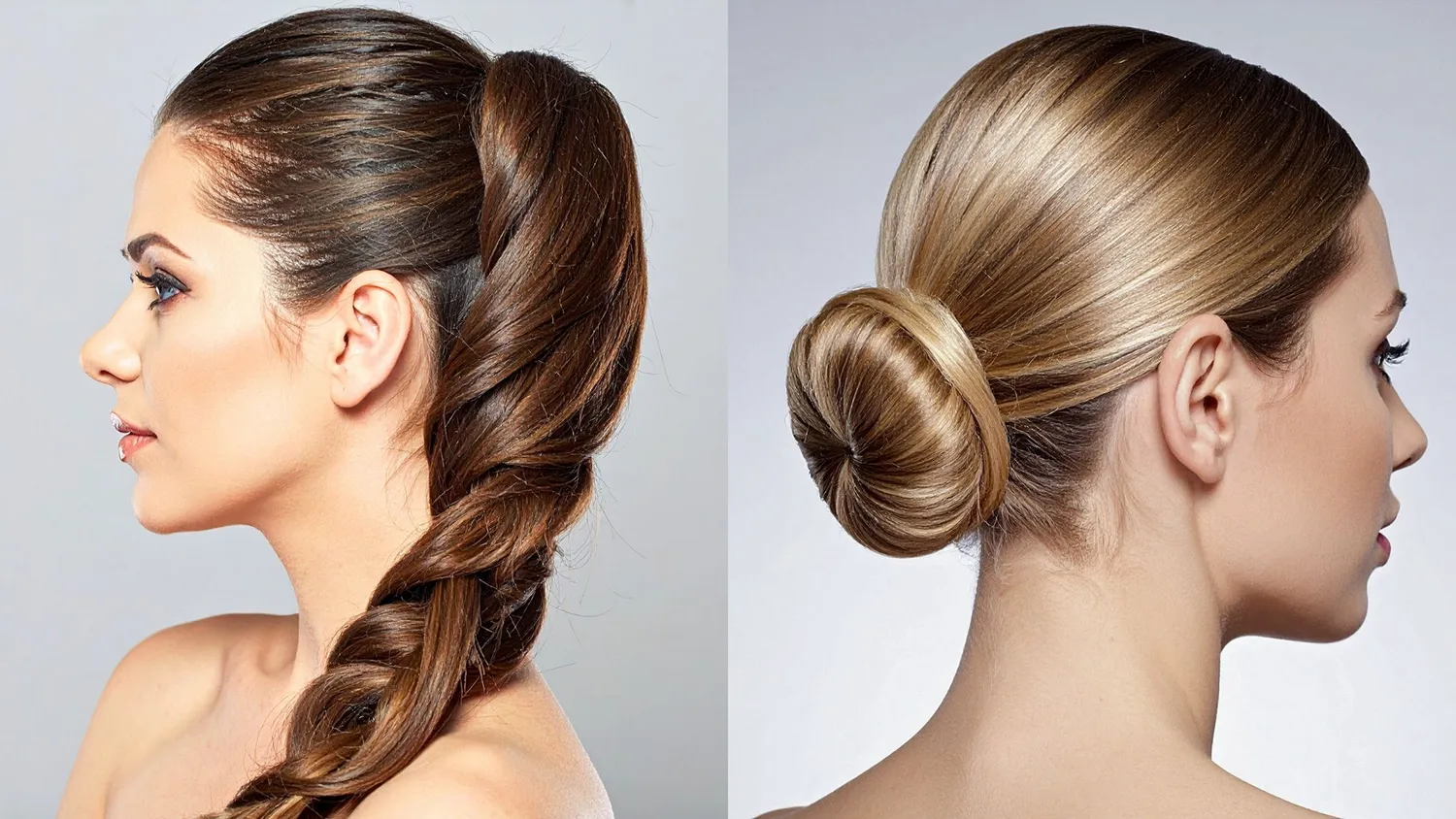
Avoid tight ponytails, buns, and other hairstyles that pull on your hair.
Limit excessive heat styling.
Use mild hair products.
For a lot of patients, supplements can play a helpful role during recovery.
Clinically studied hair growth supplements like Nutrafol Hair Growth support hair health from within by addressing common contributing factors such as nutrition, stress, hormonal imbalance, and inflammation. Many of our patients at Neaman Wellness Center use Nutrafol and treatment plans like GetHairMD to maintain greater hair health during periods of notable weight loss.

Hair shedding during weight loss is common and usually temporary, but it can still be discouraging, especially when you’re excited about the other changes happening within your body. Proper nutrition, stress management, and research-backed supplements can help you minimize loss and encourage new growth.
The experienced team at Neaman Wellness Center is here to answer any questions and support your hair health during and after weight loss.