
Wellness Center Grand Opening + Emsculpt Neo Bus Tour on May 29th ,4-7pm. RSVP Now.
As you age, your body often begins to slow down or respond to physical activity in new and unexpected ways.
For older adults who want to maintain their mobility and quality of life, regenerative medicine offers a growing range of therapies that help support the body’s natural healing processes. Treatments such as stem cell therapy, platelet-rich plasma, and hormone therapy can encourage the body to heal itself instead of just masking your discomfort. In this guide, we’ll explore the most common regenerative treatment options and help you determine whether you might be a good candidate.
Let’s talk about how vitamin injections can help boost your energy levels, improve your metabolism, and shorten your recovery periods.
You’ve probably heard of stem cell therapy before, but you may not have a clear understanding of what it is. A lot of people use ‘stem cell therapy’ as a general catch-all to describe treatments that support healing, reduce discomfort, and help the body naturally repair itself.
Stem cells are your body’s building blocks. They’re different from other cells because they have the unique ability to develop into different types of specialized cells. Researchers have spent years looking into their potential role in tissue repair and regenerative medicine. As public interest grew, ‘stem cell therapy’ became something of a buzzword, and today many patients use the term even when they’re referring to other regenerative therapies.
The important thing to know is that stem cell therapy is just one part of a much larger field called regenerative medicine. Thanks to years of research, we now have numerous regenerative therapies available– some involve stem cells, but many don’t.
As Dr. B puts it, “Patients often come in asking for stem cell therapy, but what they’re really looking for is the best regenerative option for their specific concern. That’s why a consultation is so important.”
Regenerative medicine is an umbrella term for treatments that work with your body’s natural healing capabilities. Instead of just focusing on symptom relief, regenerative therapies aim to support the repair and recovery processes that are already happening in your body.
People usually start looking at regenerative medicine when they’re looking for non-surgical ways to support their joint health, recover from injuries, or support their overall wellness. Researchers are still learning a lot about regenerative medicine and finding new ways to support the body’s natural healing process.
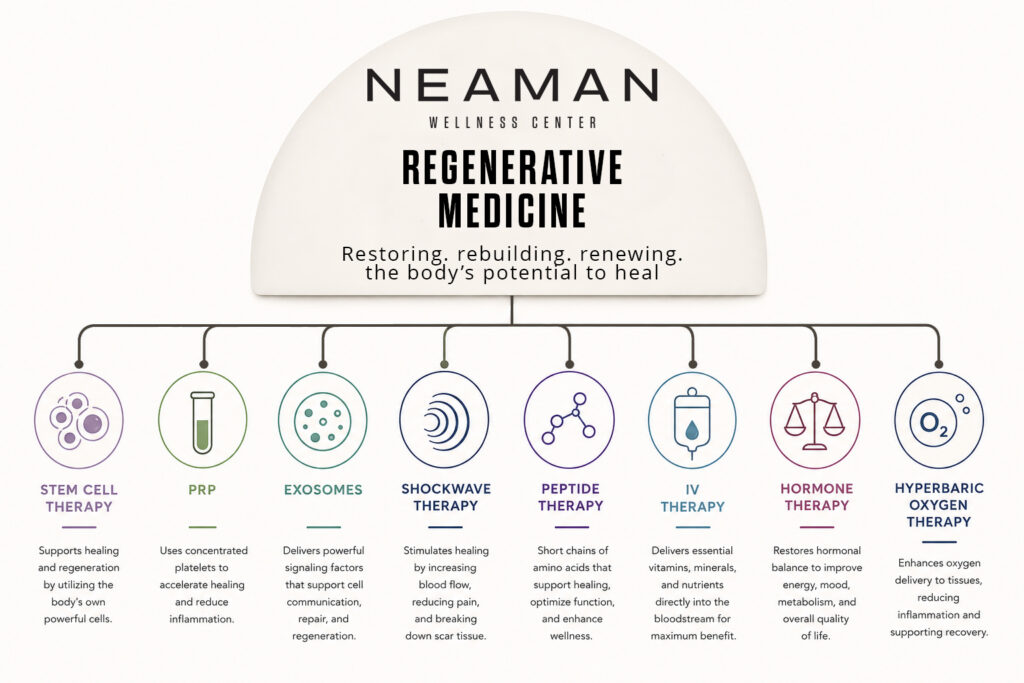
Stem cell therapy is just one of many regenerative therapy options. Every treatment works differently, but they all share a similar goal: support your body’s natural recovery processes. Many fall into the category of biologic treatments, which use your body’s own cells and tissues to stimulate a healing response.
The right treatment depends on your individual concerns, goals, and current health. Here are a few of the most popular regenerative therapies that people use today.
PRP (Platelet-Rich Plasma)
PRP, or platelet-rich plasma, is one of the most common regenerative therapies.
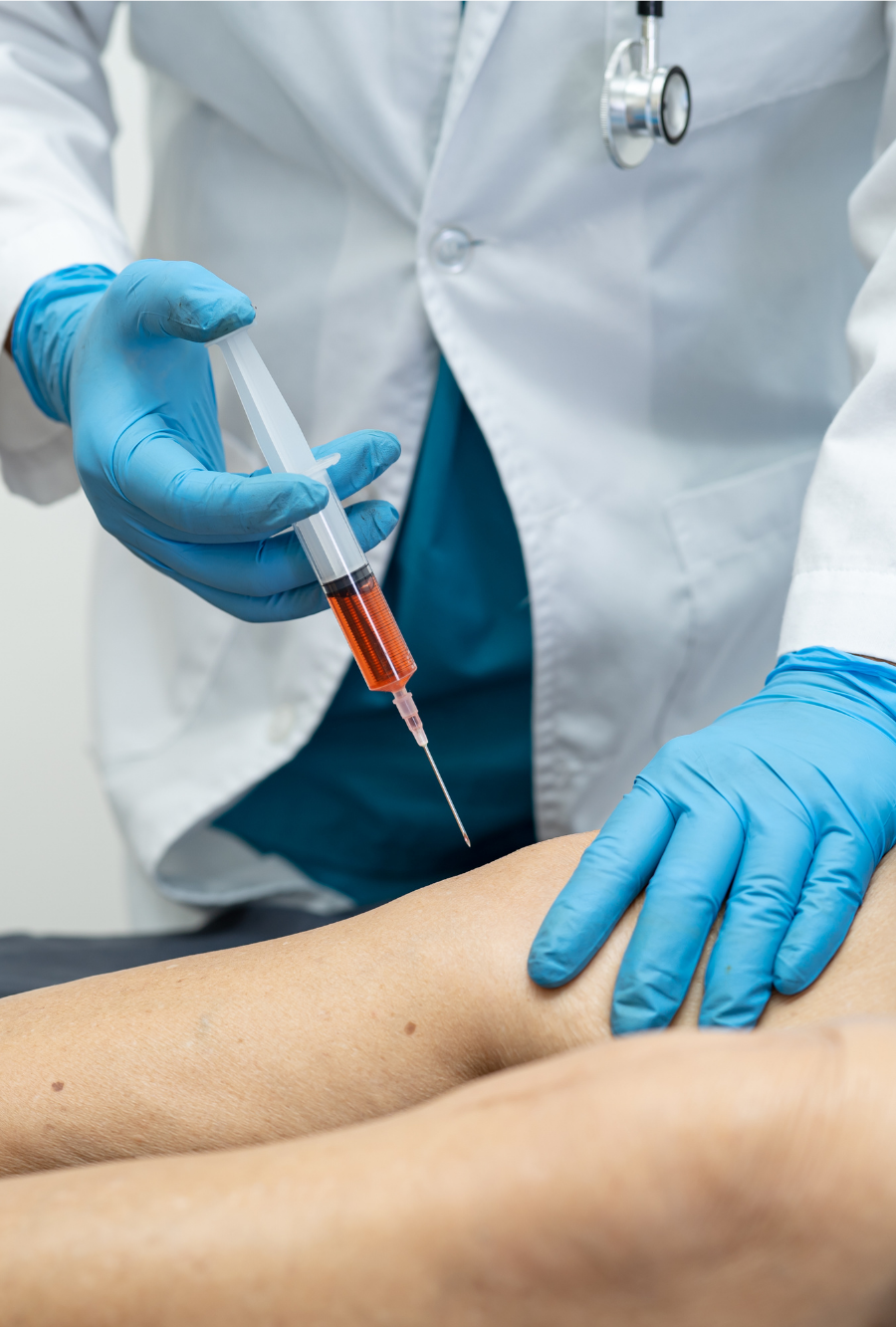
First, a provider takes a small blood sample from the patient and puts it into a centrifuge. The centrifuge spins the sample, which separates the platelets from the other components of the blood and concentrates them in the plasma. Then, the platelet-rich plasma is injected into the targeted area of the body.
PRP is often used to support recovery from joint discomfort and sports injuries. In aesthetic medicine, it helps with skin rejuvenation and hair restoration treatments.
Exosomes
Exosomes are tiny particles that help cells communicate with one another. They carry signals that tell cells when and how to respond to injury, inflammation, and everyday wear and tear.
During treatment, exosomes are typically injected into the area being treated or used alongside procedures such as microneedling. The goal is to support the body’s natural healing environment and encourage healthy cellular activity.
Most exosome treatments take less than an hour and require little downtime, making them a popular option for patients seeking non-surgical regenerative therapies.
Shockwave Therapy
Shockwave therapy is a non-invasive treatment that uses high-energy acoustic waves to stimulate the body’s natural healing response. The pulses it puts out increase blood flow, break up scar tissue, reduce inflammation, and promote collagen regeneration.
Unlike regenerative injections, shockwave therapy is delivered through a handheld device that delivers controlled pulses to the targeted area. At Neaman Wellness Center, each session takes about 15-30 minutes, and there is no downtime after your appointment.
After participating in shockwave therapy with Dr. B, one patient shared,
“Dr. Barnett’s shockwave therapy was a game-changer for me. The therapy wasn’t just focused on my calf, it also helped with my lower back, wrists, and other areas of my body that had taken years of stress from playing competitive sports. The results were immediate. My energy levels skyrocketed, my body felt rejuvenated, and my performance improved in ways I never expected.”
Other Regenerative Therapy Treatments
Many regenerative medicine treatments are available at Neaman Wellness Center.
Peptide Therapy is tailored to your body’s unique needs to help address hormone imbalances and promote overall vitality.
IV Therapy delivers essential nutrients, exosomes, stem cells, peptides, and anti-inflammatory compounds directly into your bloodstream.
Hormone Therapy helps replenish or regulate hormone levels in your body.
Hyperbaric Oxygen Therapy delivers pure oxygen in a pressurized chamber, providing your body with additional oxygen at the cellular level.
Treatment | Simple Explanation | Often Used To Support |
PRP | Uses concentrated platelets from your own blood | Joint discomfort, sports recovery, skin, hair restoration |
Exosomes | Tiny cellular messengers that support communication between cells | Recovery, skin rejuvenation, tissue support |
Shockwave Therapy | Uses acoustic waves to stimulate a healing response | Tendon discomfort, plantar fasciitis, muscle pain, circulation |
Peptide Therapy | Uses targeted peptides to support specific wellness goals | Recovery, inflammation, sleep, metabolism, performance |
IV Therapy | Delivers hydration and nutrients directly into the bloodstream | Energy, recovery, immune support, wellness |
Hormone Therapy | Helps evaluate and optimize hormone balance when appropriate | Energy, mood, libido, weight, sleep, strength |
HBOT | Uses pressurized oxygen to support tissue oxygenation | Recovery, healing support, circulation, wellness |
As regenerative medicine grows in popularity, so do the misconceptions surrounding it. Understanding what these treatments can and can’t do will help you make informed decisions.
Myth: Stem cell therapy and regenerative medicine are the same thing.
Stem cell therapy is just one kind of regenerative therapy. Other regenerative medicine treatments include PRP, exosomes, and other biologic therapies.
Myth: Regenerative therapies can completely regrow damaged tissue or cure chronic conditions.
Regenerative treatments support your body’s natural healing process, but they can’t reverse years of wear and tear overnight. Most patients experience an improvement, not a reset.
Myth: Regenerative medicine is only for athletes.
Regenerative therapies, including many biologic therapies, are popular in the athletic world, but they are just as popular in older, active adults who have no interest in slowing down.
Regenerative therapy is a solid option for people who are looking for healing but don’t want to pursue surgery. The best candidates are generally in good overall health and realistic about what they can expect.
You may be a good candidate for regenerative medicine if you:
Have joint pain or stiffness that’s slowing you down
Are recovering from a sports injury or an overuse injury
Want to maintain your mobility as you age
Are looking for a non-surgical treatment before considering more invasive procedures
Want to enhance recovery after a surgery
Most of our patients looking at their regenerative medicine options are active adults over 40. As we get older, our bodies take longer to heal. Regenerative therapies are a great fit for patients who want to continue to enjoy golfing, hiking, gardening, or their regular exercise routine. For example, stem cell therapy for joint pain can help address pain in your knees and keep you active much later in life.
To learn more about the regenerative medicine treatments available at Neaman Wellness Center or find out if you’re a good candidate, you can book a consultation with one of our providers. Call us at 503-364-5033, extension 3, or complete a consultation request here.
Your Goal | Options Your Provider May Discuss |
Joint discomfort or stiffness | Shockwave, PRP, regenerative biologics |
Sports or overuse injury recovery | Shockwave, PRP, peptides, HBOT |
Hair restoration | PRP, exosomes, peptides, hormone evaluation, scalp health support |
Skin rejuvenation | PRP, exosomes, microneedling support |
Post-surgery recovery support | HBOT, IV therapy, peptides, regenerative wellness |
Energy and recovery | IV therapy, peptides, hormone evaluation, HBOT |
Healthy aging and mobility | Hormone therapy, peptides, regenerative wellness, HBOT |
What is regenerative medicine?
Regenerative medicine is an approach to health that focuses on supporting the body’s natural healing process instead of just trying to mask your symptoms. It includes treatments like PRP, exosomes, and other biologic therapies that use your body’s own cells and tissues to encourage healing.
Is regenerative medicine the same as stem cell therapy?
No, stem cell therapy is one type of regenerative medicine, but there are lots of other stem cell therapy alternatives that also encourage your body to help heal itself. These can include hyperbaric oxygen therapy, PRP, shockwave therapy, and exosomes.
What conditions can regenerative therapies help support?
One of the main regenerative medicine benefits is that it can be used to treat a wide variety of conditions, such as joint discomfort, tendon and ligament injuries, sports injuries, and age-related wear and tear. Some regenerative therapies can even help with hair loss and skin rejuvenation.
How long does it take to see results?
Every patient is different, but wellness regenerative treatments usually work over the course of a few sessions instead of providing immediate results. For some people, improvements happen within weeks, but for others it can take a few months. During your consultation, your provider can give you a better idea of what you can expect.